Rolling Stock Refurbishment & Rail Engineering Services
Work-package engineering for railway operators, rolling-stock maintainers and contractors evaluating refurbishment and additional capacity — covering passenger coaches, commuter rolling stock and applicable locomotive work across South Africa and Southern Africa.
Rolling-Stock Refurbishment & Coach Rebuilding
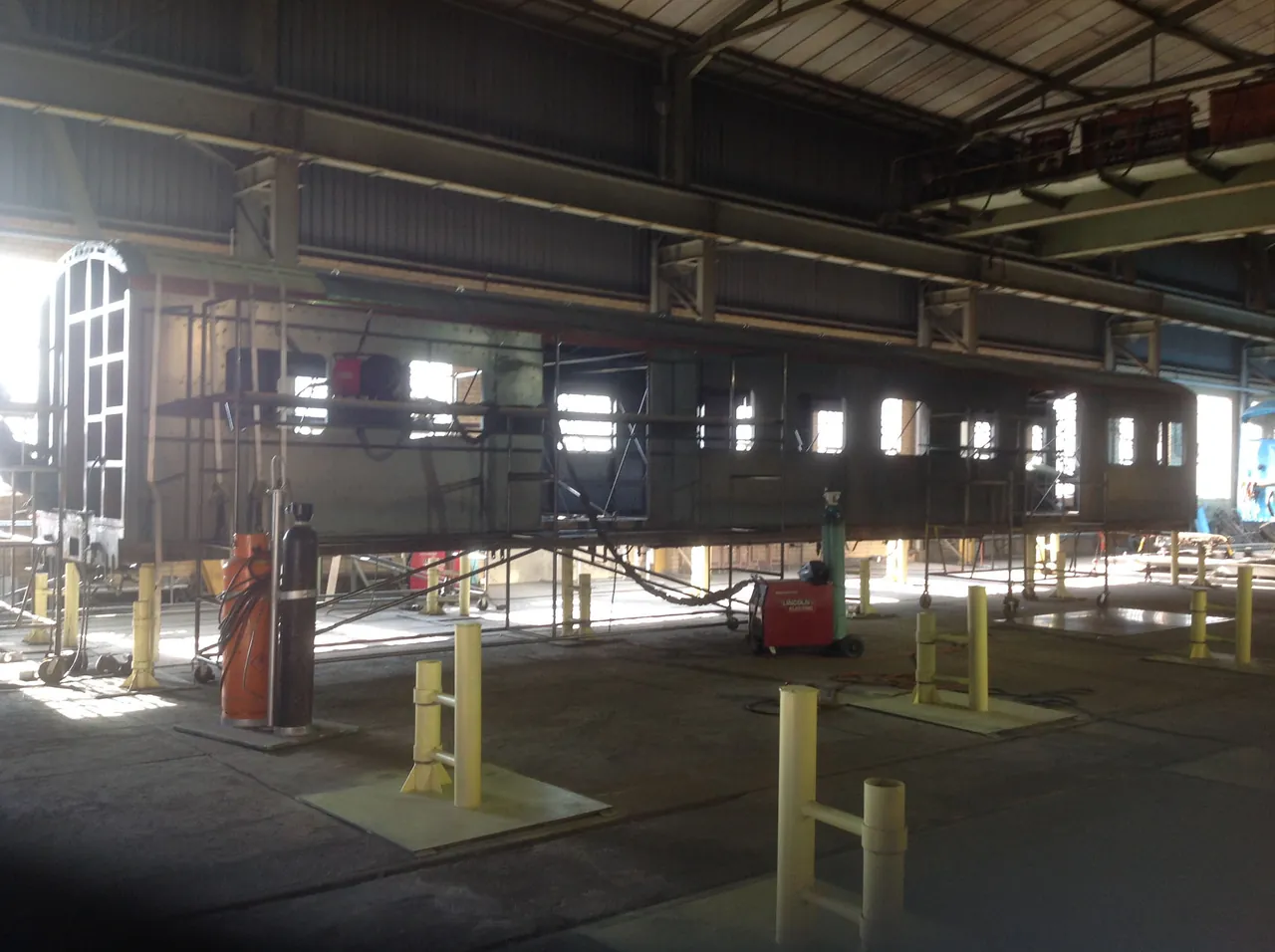
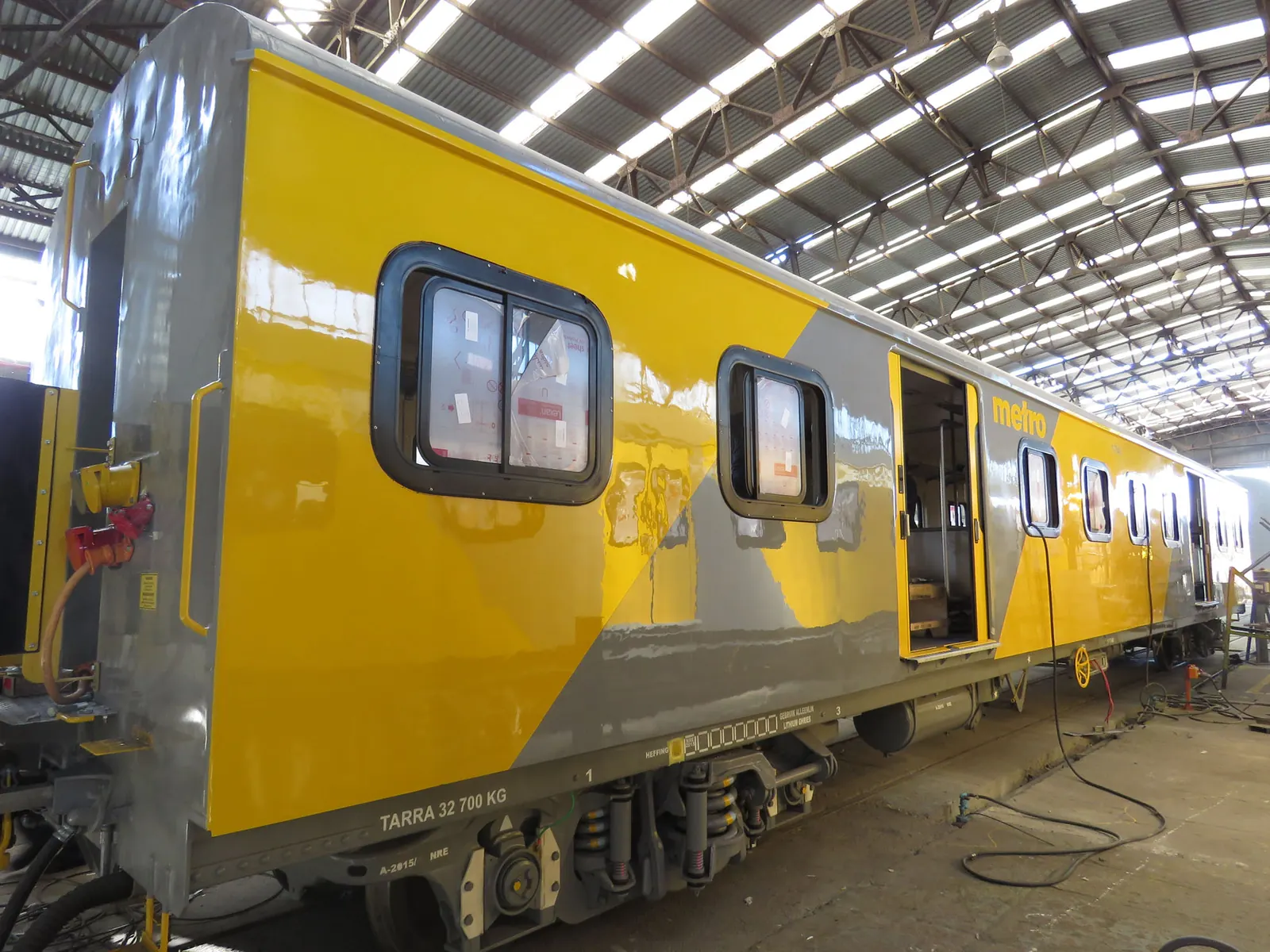
Refurbishment and coach rebuilding begin with an initial condition assessment and agreed scope. Stripping exposes the structure for inspection; structural and body repairs, coachbuilding and interior outfitting follow before reassembly and agreed inspections and acceptance. Passenger coaches, commuter rolling stock and applicable locomotive work are covered — not universal fleet coverage. Fire-damaged rebuilding and underframe reuse require condition assessment and engineering acceptance, not an automatic promise.
Typical tasks, client inputs & agreed outputs
| Typical tasks | Useful client inputs | Possible agreed outputs |
|---|---|---|
| Condition assessment & scope | Asset class, defect reports, target scope | Assessment record & agreed work package |
| Stripping & exposure | Access arrangements, isolation plan | Stripping record and inspection access |
| Structural & body repair | Drawings, defect mapping, repair spec | Repair records and dimensional checks |
| Coachbuilding & interior outfitting | Interior spec, materials schedule | Fitment records and finish inspection |
| Reassembly & acceptance | Acceptance criteria, hold points | Test sheets and punch-list close-out |
Handover records are agreed deliverables: work records, inspection and test sheets, material and component traceability, and defect or punch lists — issued for the completed work package.
Mechanical, Pipe & Electrical Fitting
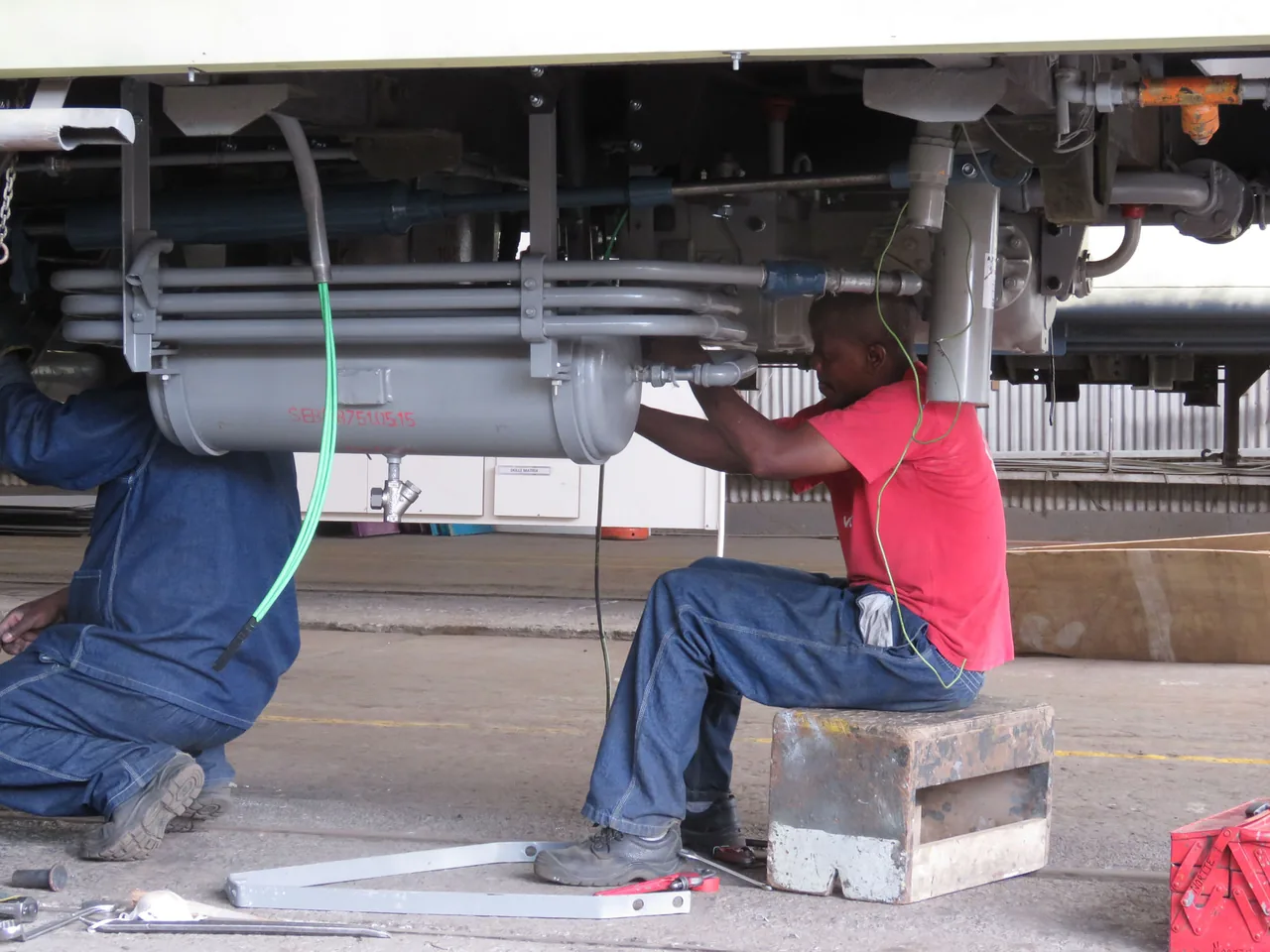
Mechanical, pipe and electrical fitting covers component installation and refurbishment, pipework, wiring looms and harnesses, electrical assemblies and fault-finding support. Interface checks are carried out against agreed drawings and specifications. No OEM authorisation or registered engineering sign-off powers are implied.
Typical tasks, client inputs & agreed outputs
| Typical tasks | Useful client inputs | Possible agreed outputs |
|---|---|---|
| Component installation / refurbishment | Component list, drawings, specifications | Installation record and interface checks |
| Pipework | Line diagrams, pneumatic spec | Leak test sheets and routing records |
| Wiring looms & harnesses | Schematics, terminal schedules | Continity checks and harness records |
| Electrical assemblies & fault-finding | Fault reports, test procedures | Fault log and functional test sheets |
Handover records are agreed deliverables: work records, inspection and test sheets, material and component traceability, and defect or punch lists — issued for the completed work package.
Fabrication, Welding & Finishes
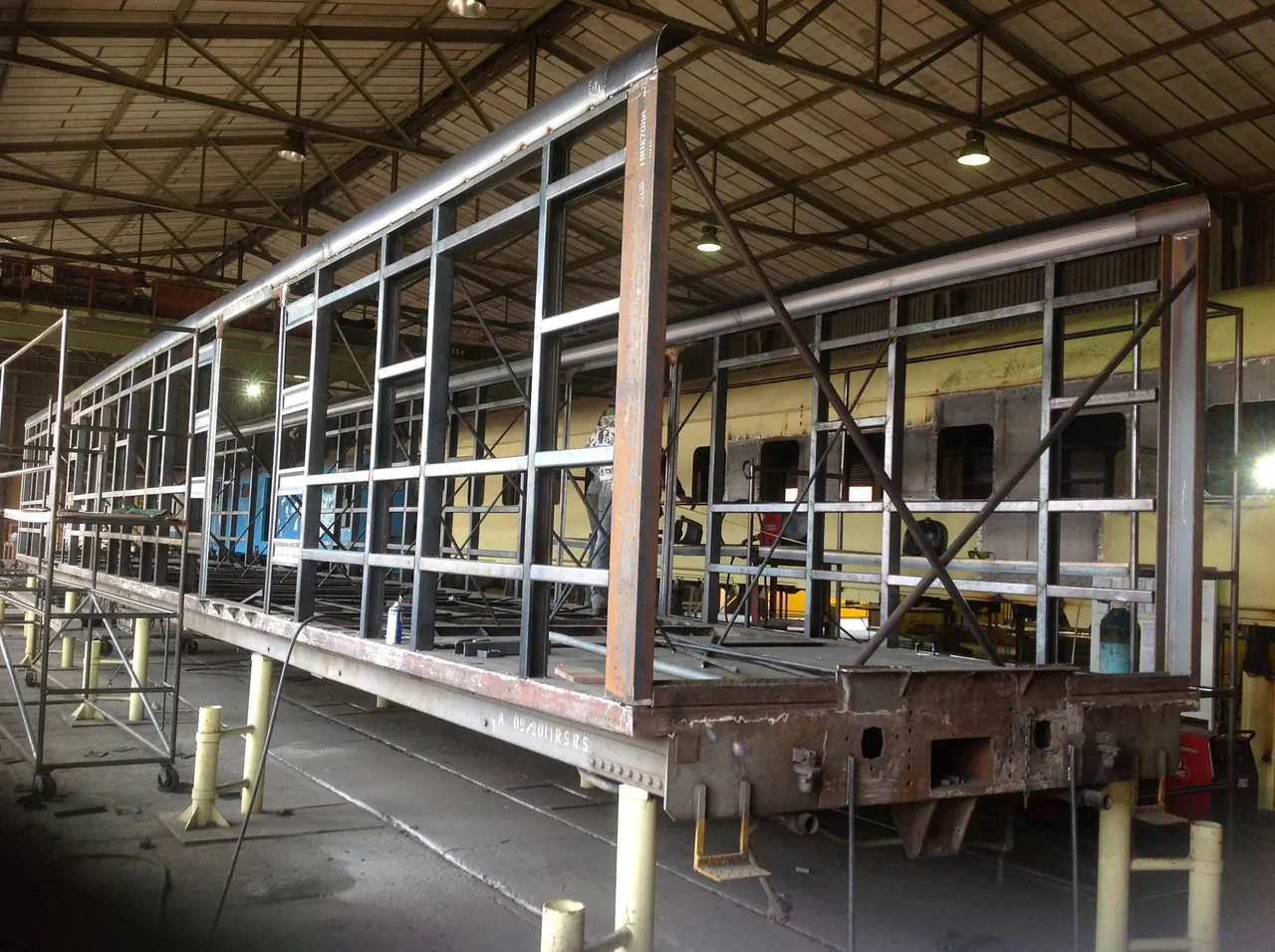
Fabrication, welding and finishes span stripping, cutting, grinding and gouging, fabrication and assembly, welding, surface preparation, sanding and painting. Welding procedures, welder qualifications and inspection requirements depend on the agreed specification — not every welder holds every certification.
Typical tasks, client inputs & agreed outputs
| Typical tasks | Useful client inputs | Possible agreed outputs |
|---|---|---|
| Stripping, cutting & grinding / gouging | Cut list, drawings, removal scope | Prep record and material traceability |
| Fabrication & assembly | Fabrication drawings, tolerances | Dimensional check sheets |
| Welding | Welding procedure spec, qualifications | Weld records and inspection reports |
| Surface prep, sanding & painting | Coating system, surface spec (e.g. SA 2.5) | Paint inspection and dry-film records |
Handover records are agreed deliverables: work records, inspection and test sheets, material and component traceability, and defect or punch lists — issued for the completed work package.
Bogie, Axle & Underframe Work
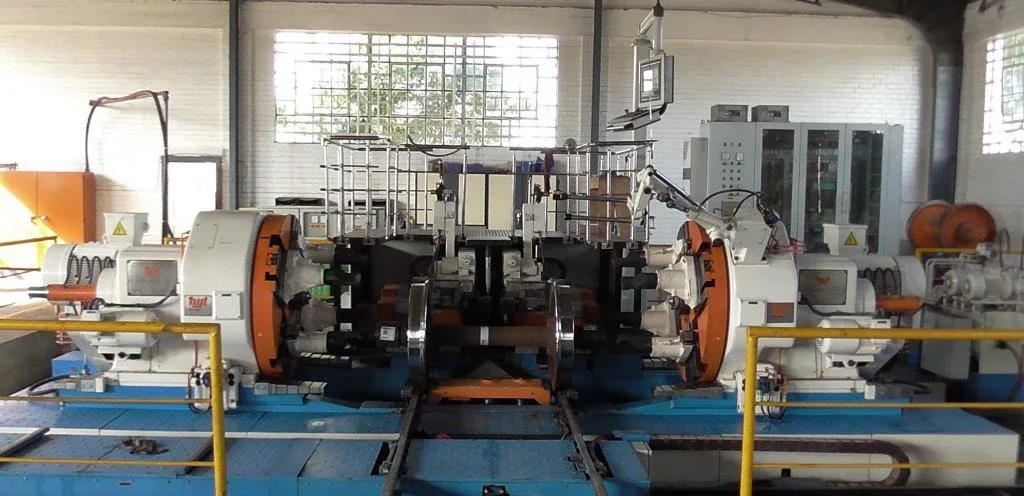
Bogie, axle and underframe work covers inspection, stripping and reassembly, mechanical fitting and component work within agreed competence. Wheel reprofiling is a specialist operation: machine access, qualified personnel and acceptance requirements must be established in the scope. No owned wheel lathe, in-house machining or guaranteed wheel tolerances are claimed.
Typical tasks, client inputs & agreed outputs
| Typical tasks | Useful client inputs | Possible agreed outputs |
|---|---|---|
| Inspection | Bogie / axle data, inspection criteria | Inspection report and defect list |
| Stripping & reassembly | Maintenance manual, torque schedules | Reassembly and torque records |
| Mechanical fitting & component work | Component condition, repair scope | Component traceability and fit records |
| Wheel reprofiling (specialist) | Wheel profile, machine access, acceptance | Profile report subject to agreed scope |
Handover records are agreed deliverables: work records, inspection and test sheets, material and component traceability, and defect or punch lists — issued for the completed work package.
Specialist Rail Vehicles & Assembly Integration
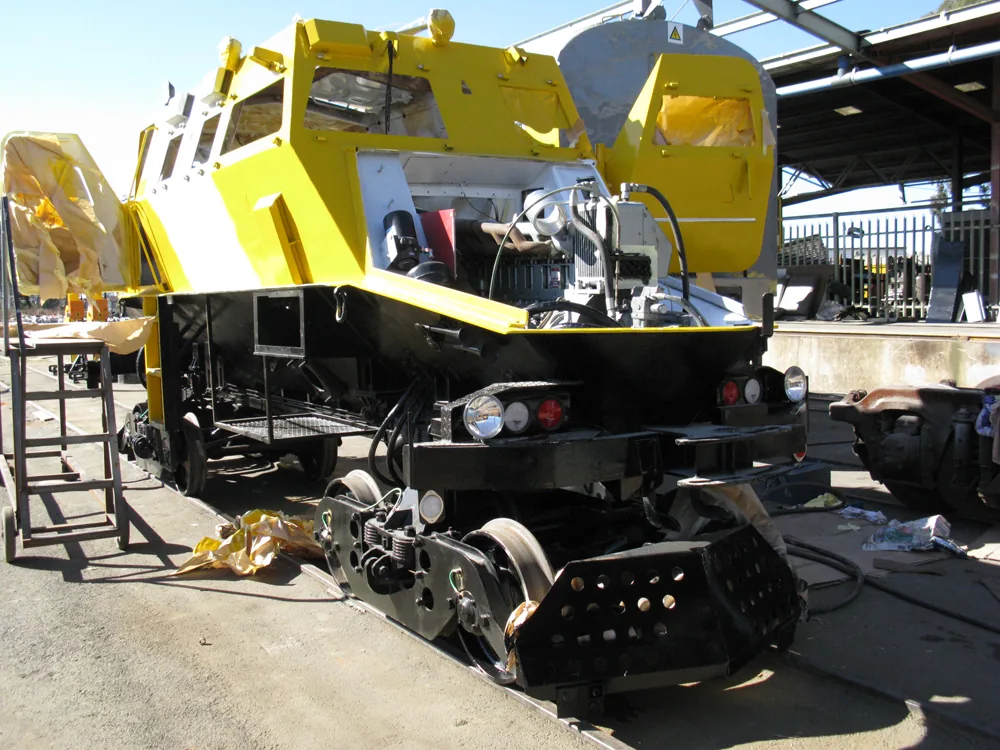
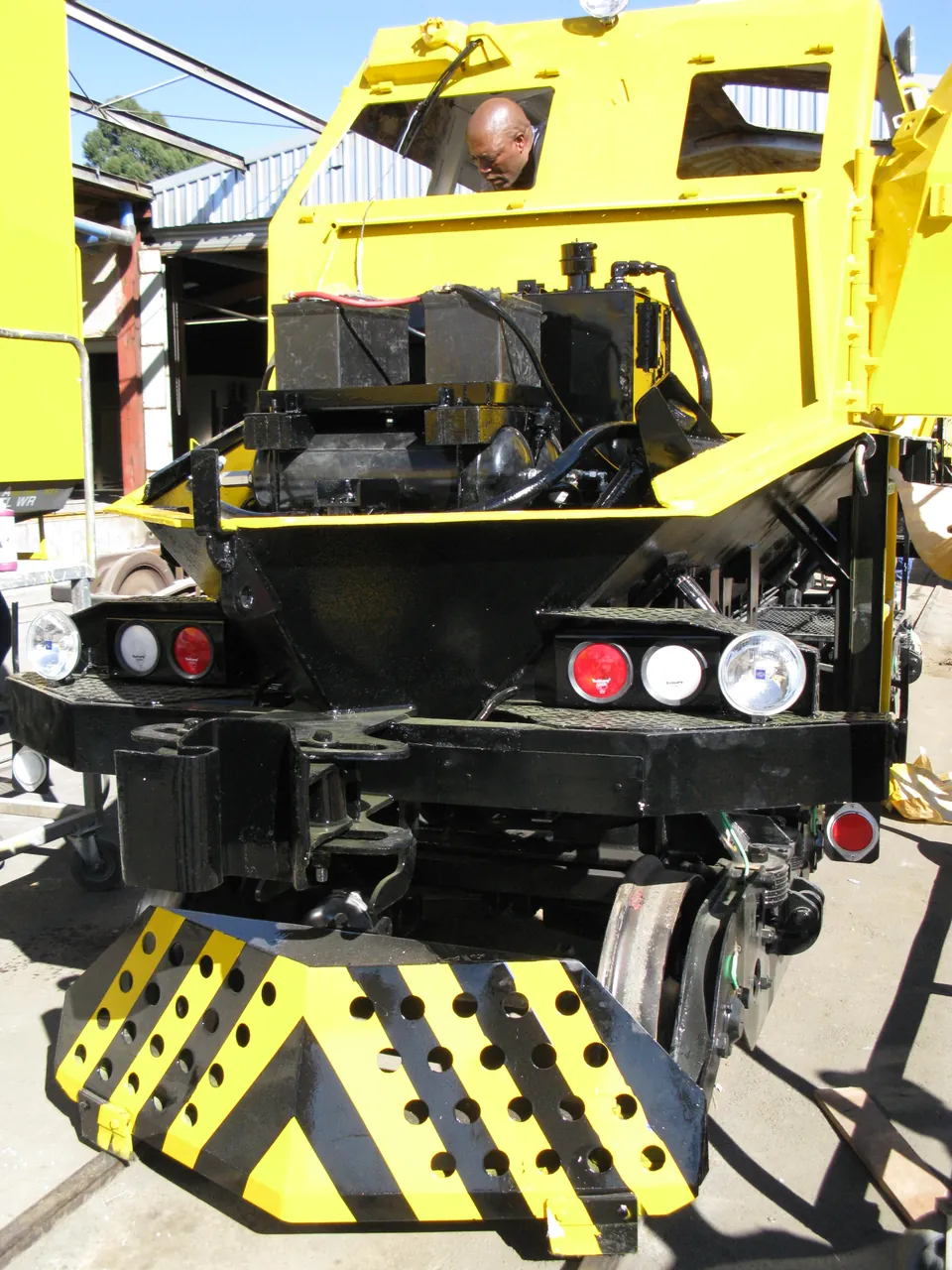
Specialist rail vehicle work covers mechanical assembly, structural plate fabrication, cab fitment and system integration for specialized railway maintenance and utility machinery — heavy bracket fabrication, cowcatcher assemblies, reinforced cab framing, hydraulic and pneumatic line fitment, and protective coating to heavy industrial specification. Historical specialist-vehicle imagery illustrates assembly and integration contexts our artisans have supported; no proprietary vehicle design ownership, certified ballistic testing, surveillance or weapons systems engineering, or named prime-contractor roles are implied.
Typical tasks, client inputs & agreed outputs
| Typical tasks | Useful client inputs | Possible agreed outputs |
|---|---|---|
| Mechanical assembly & structural plate fabrication | Assembly drawings, structural specification | Assembly and dimensional records |
| Cab fitment & reinforced framing | Cab spec, mounting schedules | Fitment records and inspection |
| Hydraulic & pneumatic line fitment | Line diagrams, pressure specification | Leak test and routing records |
| Protective coating to heavy industrial spec | Coating system, surface specification | Paint inspection and dry-film records |
Handover records are agreed deliverables: work records, inspection and test sheets, material and component traceability, and defect or punch lists — issued for the completed work package.
Field Services & Maintenance Support
Field services provide planned depot or site work, repair teams and additional capacity for defined work packages. Site access, isolation, lifting, supervision, tooling and safety responsibilities are agreed up front. No 24/7 response, derailment recovery cranes or coverage in every country are promised.
Typical tasks, client inputs & agreed outputs
| Typical tasks | Useful client inputs | Possible agreed outputs |
|---|---|---|
| Planned depot / site work | Site access, isolation, lifting plan | Work records and site handover |
| Repair teams & additional capacity | Work package, shift model, supervision | Completed work-package records |
| Defined work packages | Scope, tooling, safety responsibilities | Punch lists and acceptance records |
Handover records are agreed deliverables: work records, inspection and test sheets, material and component traceability, and defect or punch lists — issued for the completed work package.
How a work package is delivered
A typical sequence — adjusted to asset and scope, not universal certification or automatic commissioning approval. Each step is agreed to the work package before it is executed.
- 1
Scope & assessment
Review asset class, condition, defect reports, drawings and required scope. Confirm work-package boundaries, access arrangements and acceptance criteria before work starts.
- 2
Stripping
Systematic removal of components, interiors, pipework and fittings to expose the structure for inspection and repair.
- 3
Surface preparation
Abrasive blasting, cleaning and pre-treatment of steelwork to an agreed specification prior to repair and coating.
- 4
Structural repair & welding
Body, underframe and component repair under agreed welding procedures and qualifications, with inspection requirements set by the work package.
- 5
Painting
Primer, intermediate and topcoat systems applied to specification, including stencilling and livery where required.
- 6
Mechanical / coachbuilding / bogie assembly
Refit and reassembly of mechanical components, coachbody items and bogie/running-gear elements within agreed competence.
- 7
Electrical work
Wiring looms and harness installation, control assembly work and continuity/interface checks against the agreed drawings.
- 8
Specified leak / water & functional tests
Pneumatic leak tests, water-tightness and functional tests performed where applicable to the agreed scope and test plan.
- 9
Client acceptance
Inspection against the agreed acceptance criteria, punch-list close-out and handover records issued for the completed work package.
Common questions when scoping rail work
Practical answers for operators, maintainers and contractors evaluating refurbishment or work-package support.
What is the difference between refurbishment and a full rebuild?
Refurbishment restores an asset to an agreed serviceable condition through inspection, repair and component renewal within the existing structure. A rebuild reconstructs a damaged or life-expired coach — often reusing a serviceable underframe — and requires a condition assessment and engineering acceptance before the reuse of any structural part. Reuse of an underframe is never automatic; it follows documented inspection and acceptance.
Can work be carried out at our own depot or premises?
Yes. Field teams can perform planned maintenance, repairs and defined work packages at client depots, sidings and industrial sites. Site access, isolation, lifting, supervision, tooling and safety responsibilities are agreed and documented before mobilisation so the work package and site obligations are clear to both parties.
What drawings and asset details do you need to scope a job?
Useful inputs include vehicle class and type, current mechanical condition, inspection or defect reports, applicable drawings and specifications, the defined scope of work, quantities, location, and target dates. The more complete the asset and specification information, the more accurately the work package can be scoped and resourced.
How are tests and acceptance agreed?
Inspection and test requirements — including leak, water-tightness and functional tests — are set out in the agreed scope and test plan before work starts. Hold points, acceptance criteria and the handover records to be issued are confirmed up front, so acceptance is measured against documented requirements rather than assumed.
How can contract teams supplement our project?
Where a project needs additional capacity, vetted rail artisans and supervisors can be mobilised to support a defined work package — mechanical fitters, coded welders, electrical technicians, coachbuilders, painters and quality/supervisory personnel. Staffing models, shift arrangements and deployment terms are agreed per assignment.
The team experience that informs delivery
BSCH Rail draws on its people's rail-sector experience, including work undertaken in previous roles. The photographs below illustrate historical rolling-stock work and do not establish that every depicted project was a BSCH Rail contract.
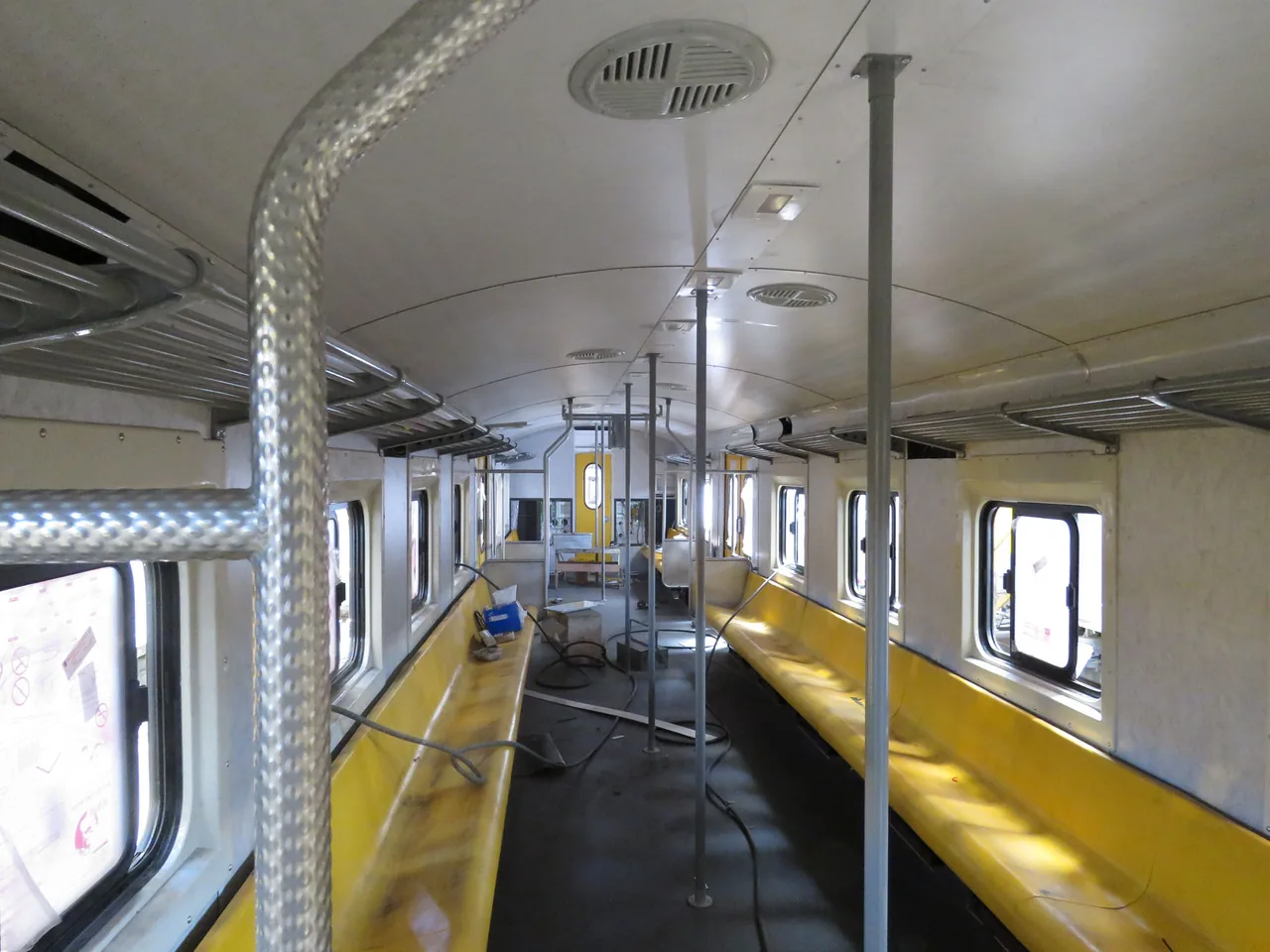
Coach body rebuilding & interiors
Stripping to bare underframes, assessing beam alignment, repairing or replacing cant rails and pillars, rebuilding roof structures, insulating and outfitting complete passenger interiors. Reusing an underframe or rebuilding fire-damaged stock depends on condition assessment and engineering acceptance, not an automatic promise.
See project experienceMechanical & electrical fitting
Precision mechanical fitting, high- and low-voltage harness routing, pneumatic brake piping, cubicle installation and fault-finding. Our leadership brings personal career experience associated with 5MA/10M4 commuter stock, 15E/19E locomotives and Gautrain body-shell work — attributed to the individuals, not company-wide programme delivery.
Read leadership biographiesSpecialist rail vehicles
Mechanical assembly, structural plate fabrication, cab fitment and system integration for specialised railway machinery. Historical specialist-vehicle imagery illustrates assembly and integration contexts our artisans have supported — no ballistic standards, weapons work or named prime-contractor roles are implied.
Bogies, underframes & wheelsets
Stripping, inspection, mechanical overhaul and reassembly of bogies, axleboxes, suspension and brake rigging within agreed competence. Wheel reprofiling is a specialist operation: machine access, qualified personnel and acceptance requirements are established case by case. The wheel image is a historical reference, not an owned BSCH Rail lathe.
Send us the asset and scope details
Tell us the asset type, location, quantity, condition, drawings, required scope and target dates. We'll respond with a scoped assessment and resourcing proposal.